
Balancing Modern Life
An overview of the tensions between professional demands, personal time, and relational commitments in contemporary male experience.
Read Further
A structured, independent resource exploring personal development, social context, and the broader dimensions of contemporary male experience.
Explore the TopicsAevium exists as a considered editorial space — a place where the many facets of modern manhood can be examined with clarity, context, and intellectual honesty. The subject is neither simple nor narrow. It touches on history, culture, psychology, social structures, and everyday routines in ways that are rarely addressed within a single, coherent frame of reference.
Our approach is descriptive rather than prescriptive. We do not advocate for a single model of what it means to be a man today. Instead, we map the terrain: the historical forces that have shaped expectations, the common misconceptions that persist, the terminology that circulates in academic and popular discourse, and the range of approaches that individuals and communities have developed over time.
The materials here are intended for anyone who seeks a clear, organised overview of this topic — whether approaching it from curiosity, study, or a desire to understand the broader conversation taking place in contemporary society.
Each area of content on this resource maps onto one of four principal dimensions through which modern manhood can be understood.
An examination of how individuals build habits, structure routines, and navigate ongoing growth across different stages of life.
An overview of how awareness practices, rest, and daily rhythms contribute to overall functional equilibrium.
An exploration of how friendships, partnerships, and community membership shape individual identity and behaviour.
A contextual survey of how different eras and cultures have understood and constructed notions of masculinity.
The broader conversation around masculinity is concerned with social structures, cultural expectations, and historical patterns — not with assigning individual responsibility. Understanding these systems is a precondition for any meaningful discussion.
Many of the tensions experienced today — around identity, purpose, and social belonging — have historical parallels. What changes is the specific form they take and the cultural resources available to navigate them.
Comparative anthropology and sociology demonstrate considerable variation in how masculinity has been defined and valued across societies and historical periods. No single model holds universal validity.

The concept of masculinity is not static. Across the span of recorded history, cultures have constructed different normative frameworks around male roles, responsibilities, and expressions of identity. Ancient Mediterranean societies valued martial prowess and civic participation. Medieval European frameworks centred around chivalric codes and religious duty. The industrial era redefined manhood primarily through economic provision and physical labour.
The twentieth century brought particular intensity to these discussions. Two world wars, rapid urbanisation, feminist movements, and the expanding reach of mass media all contributed to a complex renegotiation of what male identity meant and how it could be expressed.
Today, men encounter a far more pluralistic landscape of models and expectations. Academic discourse, popular culture, and lived experience frequently diverge, producing a rich — if sometimes confusing — terrain that this resource aims to map with clarity.
Read Further
An overview of the tensions between professional demands, personal time, and relational commitments in contemporary male experience.
Read Further
A survey of historical and contemporary awareness practices, their origins, and how they have been interpreted across different cultural contexts.
Read Further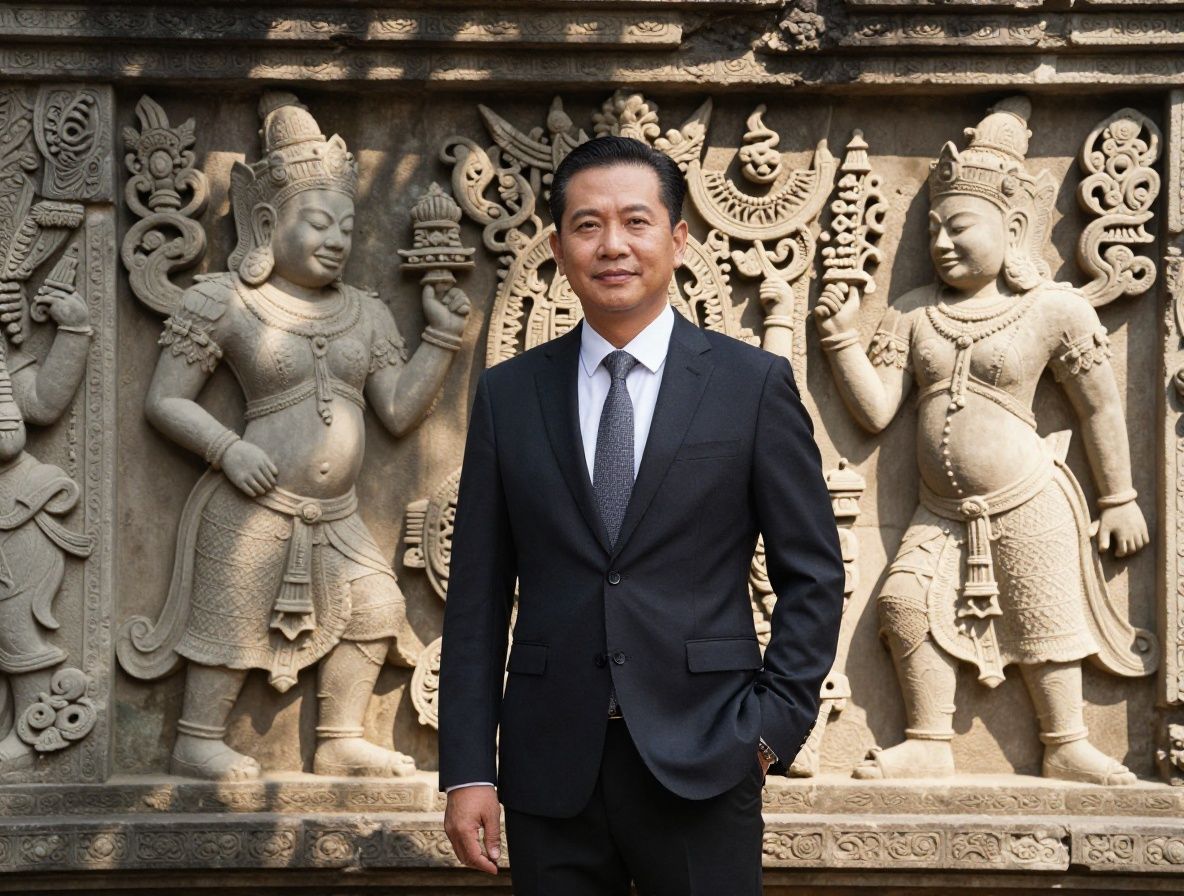
An analytical overview of how different cultures and eras have constructed, contested, and transmitted ideas about male identity and social roles.
Read FurtherA selection of terms that regularly appear in discussions of modern manhood, presented here with brief contextual definitions.
Aevium is an independent editorial resource dedicated to exploring the broad subject of modern manhood. Its purpose is to provide structured, neutral, and descriptive information across a range of related topics — from historical context and cultural analysis to everyday practices and conceptual frameworks. It does not offer advice, make recommendations, or advocate for particular outcomes.
The materials here are written for anyone with a general interest in the subject — students, researchers, journalists, or individuals who simply want a clear and organised overview of a complex topic. No prior background knowledge is assumed.
The editorial approach here is explicitly neutral and multi-perspectival. Where significant variation exists between scholarly or cultural perspectives, this resource presents that variation descriptively rather than adjudicating between competing views. The aim is to expand understanding, not to endorse a specific position.
Content is structured around four principal dimensions: personal development, well-being and awareness, social and relational context, and historical and cultural perspective. Each editorial piece falls within one or more of these categories, allowing readers to navigate by area of interest.

For any correspondence related to the materials published on this resource, including general questions about the content or its scope, you are welcome to write to us directly.


Structured editorial content across history, context, habits, and social dynamics — compiled for readers who value depth over simplicity.
View All Insights